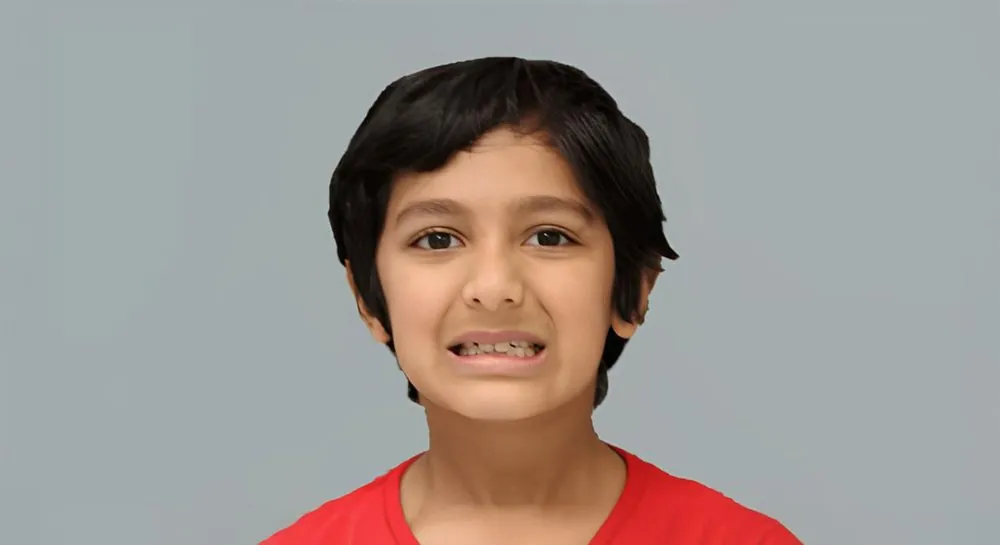

Why age 7 matters
Around this age the first adult molars and incisors have arrived, so crossbites, severe crowding, jaw-growth imbalances and harmful habits are all visible, while the jaw is still growing and easy to influence. Early (interceptive) treatment doesn't replace teen orthodontics; it makes it easier, and sometimes avoids extractions or surgery later.
What early treatment can involve
- Palate expanders: gently widening a narrow upper jaw to correct crossbites and create room
- Habit-breaker appliances: helping children stop thumb-sucking or tongue-thrusting before it reshapes the bite
- Space maintainers: holding room for adult teeth when baby teeth are lost early
- Partial braces: short courses to correct specific problems, then watch and wait
And often: just watching
Plenty of seven-year-olds we assess need nothing but monitoring. An early assessment isn't a commitment to treatment. It's a baseline, and honest reassurance either way. Dr Anand's special interest is exactly this: early diagnosis and growth-aware planning.
Check for the signs at home
Six signs worth checking at home
Look at your child's teeth in good light and answer honestly. This is a guide for parents, not a diagnosis; the age-7 assessment is the real check.
Do the front teeth look crowded, twisted or overlapping?
When the back teeth bite together, is there a gap between the top and bottom front teeth, or do any top teeth bite inside the bottom ones?
Is there a thumb, finger or dummy habit still going past age 5 or 6?
Does your child mostly breathe through their mouth, or snore most nights?
Have baby teeth been lost very early (before about age 5) or very late?
Does the chin look noticeably set back, or do the top front teeth stick out well ahead of the bottom ones?
Book an orthodontic assessment
Book a check Read the signs guide
About early orthodontics